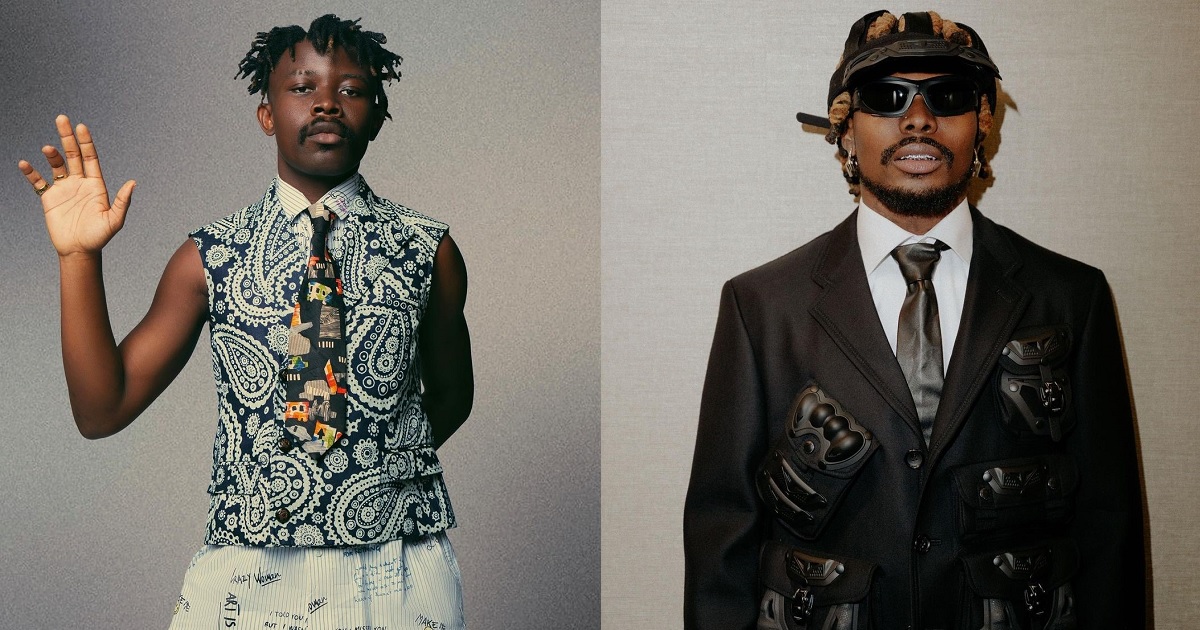


The Nigerian Afrobeats industry is in the midst of a fierce battle between nostalgia and recency bias, with different generations pitted against each other. This struggle is a reflection of the natural human tendency to romanticise the past and crave novelty, but it also has significant implications for the industry’s growth and development.
On one hand, the older generation, who grew up in the 90s and early 2000s, are nostalgic for the artists who defined their youth. They fondly remember the likes of Ruggedman, P-Square, 2Face, Don Jazzy, 9ice, and D’banj, who represent the early generation of Afrobeats. This nostalgia is more than just a sentimental longing; it’s a deep emotional connection to the music that shaped their lives. For them, the golden age of Afrobeats was a time of discovery, growth, and self-expression, and they cherish the memories associated with that era.
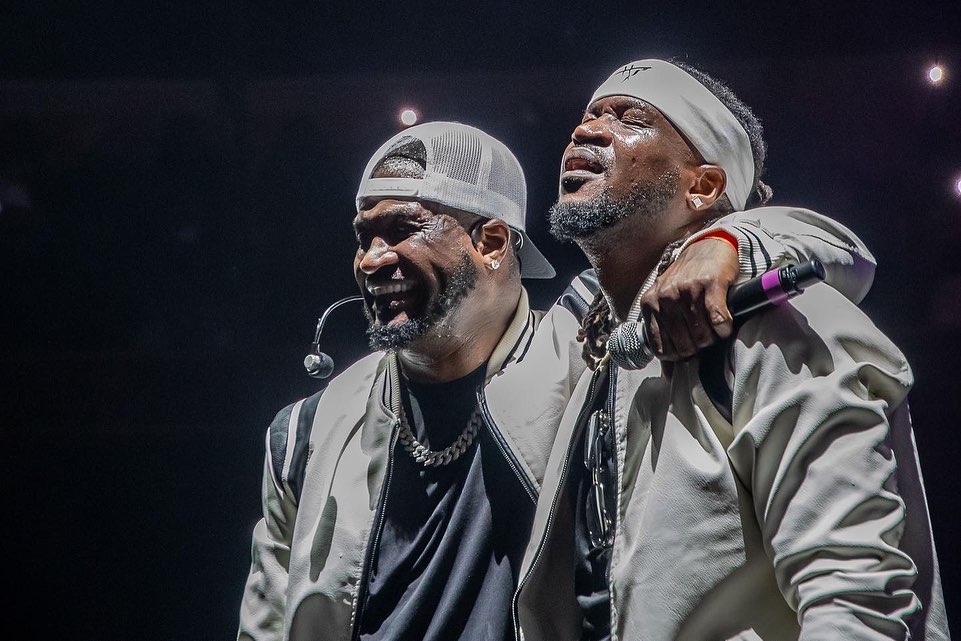
On the other hand, Gen Z and young millennials are driven by recency bias, prioritising newer artists and sounds. They’re captivated by the likes of Wizkid, Davido, Burna Boy, and Kizz Daniel, who have dominated the industry in recent years. Gen Z, in particular, is obsessed with the latest crop of artists, including Fireboy, Tems, and Rema, who are barely out of their teenage years. For them, the present is all that matters, and they’re constantly seeking the next big thing.

This generational divide is rooted in psychology and attention span. Nostalgia is a powerful force that evokes feelings of warmth, comfort, and belonging. For the older generation, their attachment to legacy artists is a testament to the enduring power of music to evoke emotions and create a sense of nostalgia. On the other hand, Gen Z and young millennials are driven by a desire for novelty and new experiences. Their attention span is shorter, and they’re constantly seeking the next big thing.
However, there’s a crucial difference between the two generations. While the older generation has a deep understanding of the history and evolution of Afrobeats, Gen Z is still growing and doesn’t know much about the past. They’re not aware of the struggles and sacrifices made by pioneers like Fela Kuti, King Sunny Ade, and Ebenezer Obey, who laid the foundation for the industry. As a result, they overhype their reality, elevating their current favourites to legendary status without proper context.

This battle has significant implications for the industry. The older generation’s nostalgia can lead to a stagnation of innovation, as they cling to the past and resist new sounds. On the other hand, the recency bias of the younger generation can result in a lack of appreciation for the pioneers who paved the way for the current crop of artists. The industry needs a balance between honouring its rich history and embracing innovation.
Moreover, this divide has significant implications for the artists themselves. Legacy artists struggle to adapt to the changing landscape, while newer artists face immense pressure to constantly produce hits. The constant comparison between generations can lead to a lack of appreciation for the unique contributions of each era.
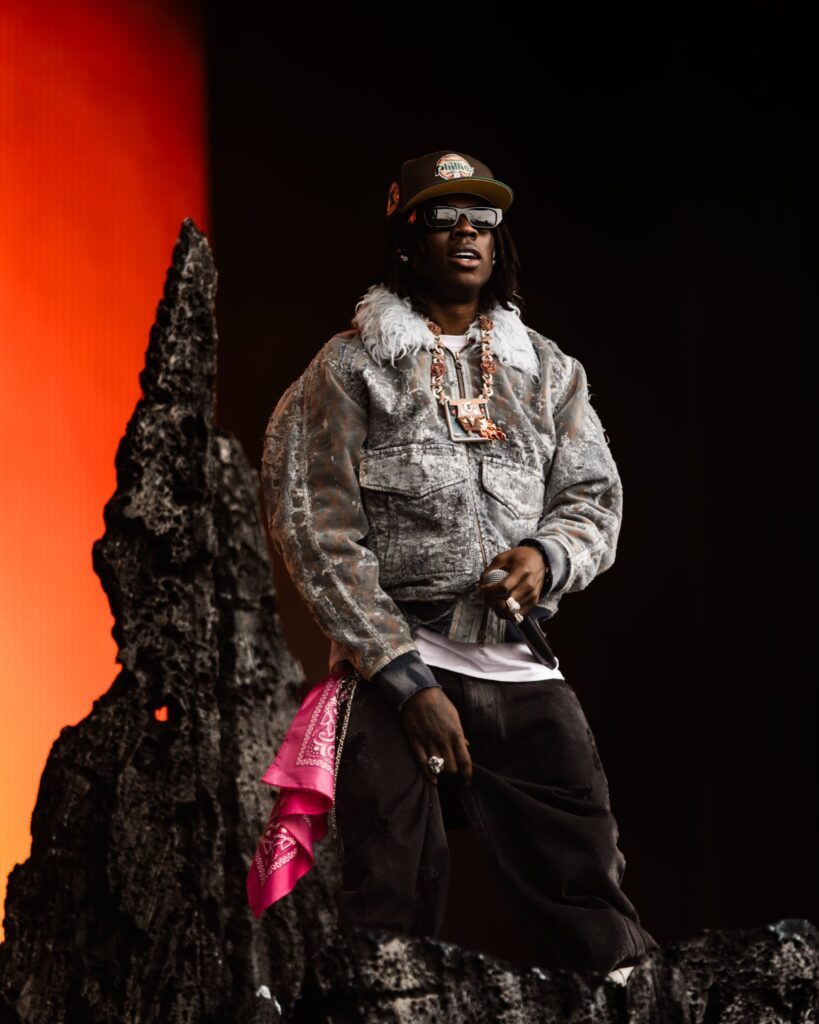
To move forward, the Nigerian Afrobeats industry must find a way to bridge the gap between nostalgia and recency bias. By acknowledging and respecting the contributions of legacy artists, while also providing a platform for new talent, the industry can move forward in a way that satisfies both generations. This requires a deeper understanding of the psychology and attention span of each generation, as well as a willingness to learn from the past and embrace the future.
Ultimately, the battle between nostalgia and recency bias is a reflection of the natural human tendency to romanticise the past and crave novelty. By embracing this tension and finding a balance between honouring our history and embracing innovation, we can create a unified industry that values both nostalgia and novelty. Only then can we truly appreciate the evolution of Afrobeats and celebrate its future.
NO ONE, BECAUSE WE’RE ALL JUST STUCK IN A TIME LOOP OF AWESOME TUNES!