
How Adekunle Gold Turned 2025 Into a Case Study in Quiet Dominance

I’ve been in Nigerian music long enough to know when a year is just ‘good’ and when it’s the kind of year people start underlining in textbooks later. 2025 was not a good year for Adekunle Gold. It was a defining one. The kind that feels calm on the surface but terrifyingly intentional underneath.
From where I sit, as a PR and marketing professional and as the community manager of the Big Fish Family, this was the clearest, cleanest case of ‘Man of the Year’ I’ve watched play out in real time. No noise. No panic. No overcompensation. Just steady dominance, the kind that doesn’t beg to be noticed but somehow ends up everywhere anyway.
What makes this story even more personal is that it didn’t begin in 2025. My first encounter with Adekunle Gold was in 2016 at the listening party for Gold. Later that year, I interviewed him for Ovation Magazine. Even then, there was an uncommon clarity about who he was and what he was not trying to be. So in 2022, when I later chose him as a case study in my book, Music Promotion: A Guide To Hacking The Damn Thing!, it wasn’t nostalgia or fan behaviour. It was strategy meeting evidence.
By the time he also became a core case study in my master’s dissertation at Coventry University in 2024, the pattern was already obvious. Watching 2025 unfold simply confirmed what the data, the theory, and lived industry experience had been saying for years. This wasn’t luck. This was alignment finally meeting its moment.
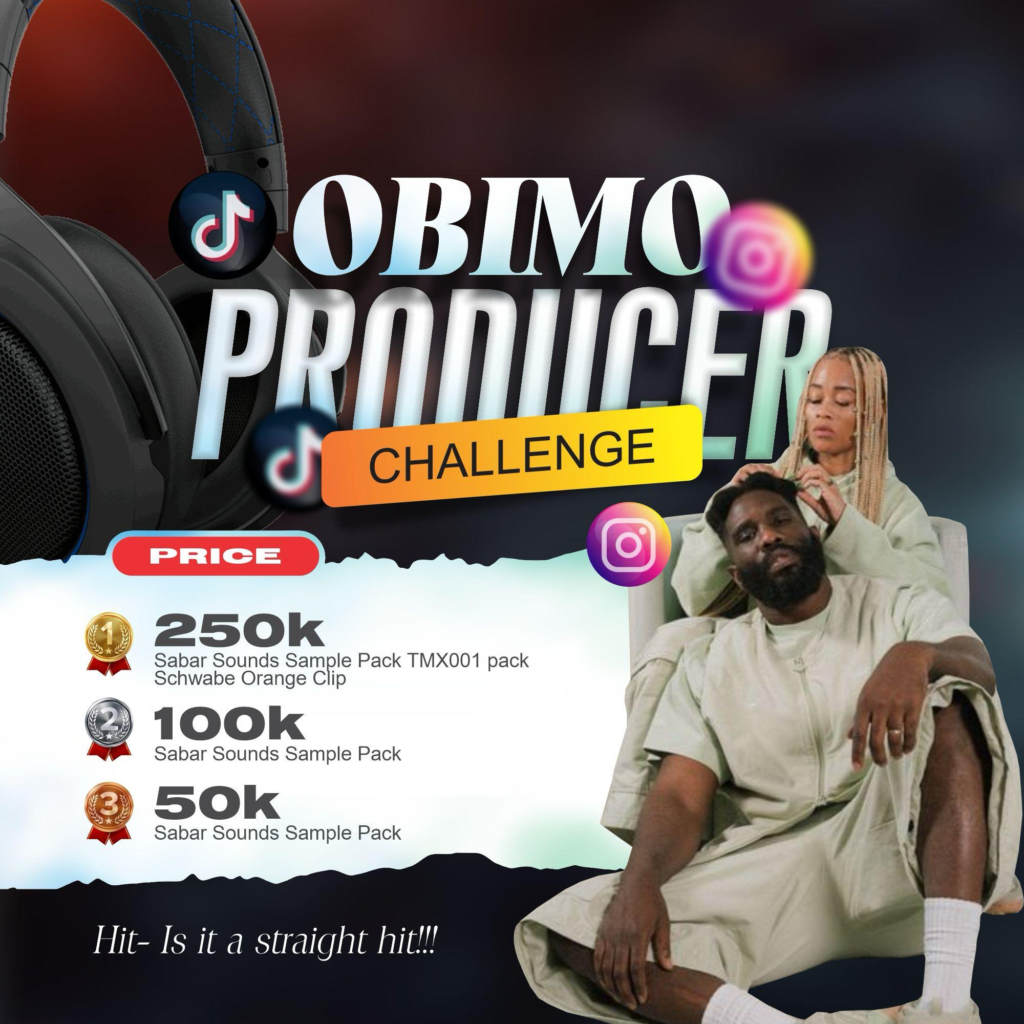
The year didn’t kick off with fireworks. It opened gently. Deliberately. Obimo arrived in February like a well-timed love letter, perfectly synced with Valentine’s season. On paper, it was a romantic single. In practice, it was a soft reactivation of his lover persona. No gimmicks. No forced virality. Just warmth, intimacy, and visuals that felt human enough to be aspirational. Flowers. Quiet confidence. Emotional safety. Then came the producer challenge with Sess, which quietly pulled creators into the ecosystem without shouting for attention. It was participatory PR at its best. Community first. Virality as a side effect.
One of the most important moments of the year wasn’t even tied to music. The launch of 5 Star Care through the Adekunle Gold Foundation on World Sickle Cell Day mattered because it wasn’t a charity theatre. It was infrastructure. Rooted in his lived experience. Consistent with a story he has been telling long before it became fashionable to care loudly online. Free health insurance for 1,000 people living with sickle cell disease in Lagos State isn’t a PR stunt. It’s long-term thinking. It reminded people that empathy can scale, and that brand purpose doesn’t have to scream to be felt.
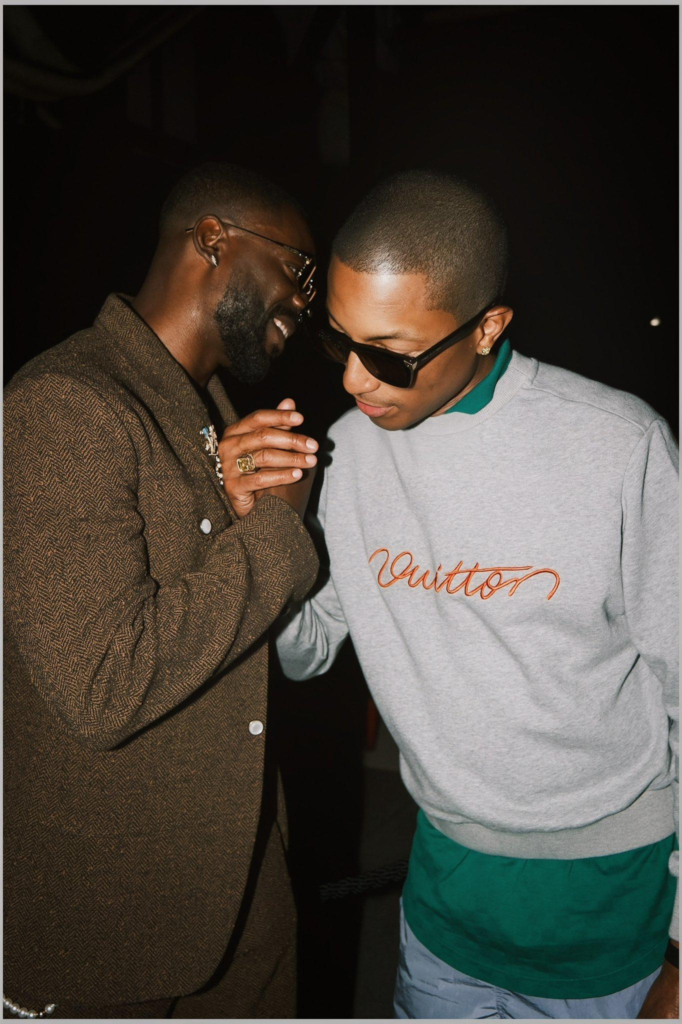
Mid-year, the shift began. When Coco Money was first teased with a seemingly casual post from a Louis Vuitton show alongside Pharrell Williams, it felt effortless. It wasn’t accidental. That moment marked the transition from lover to provider, from romance to wealth, without losing emotional credibility. Coco Money was flashy, playful, confident, and very intentional. The rollout was experiential from top to bottom. Audio, artwork, visuals, and the now-infamous “dress like money” directive at the video premiere all worked together to turn the era into something fans could physically step into.

Yes, the pseudo money souvenirs caused confusion. Yes, I still laugh thinking about explaining counterfeit allegations to Nigerian police officers. But that’s how you know culture is doing its job. When it bleeds into real life, you’re no longer marketing.
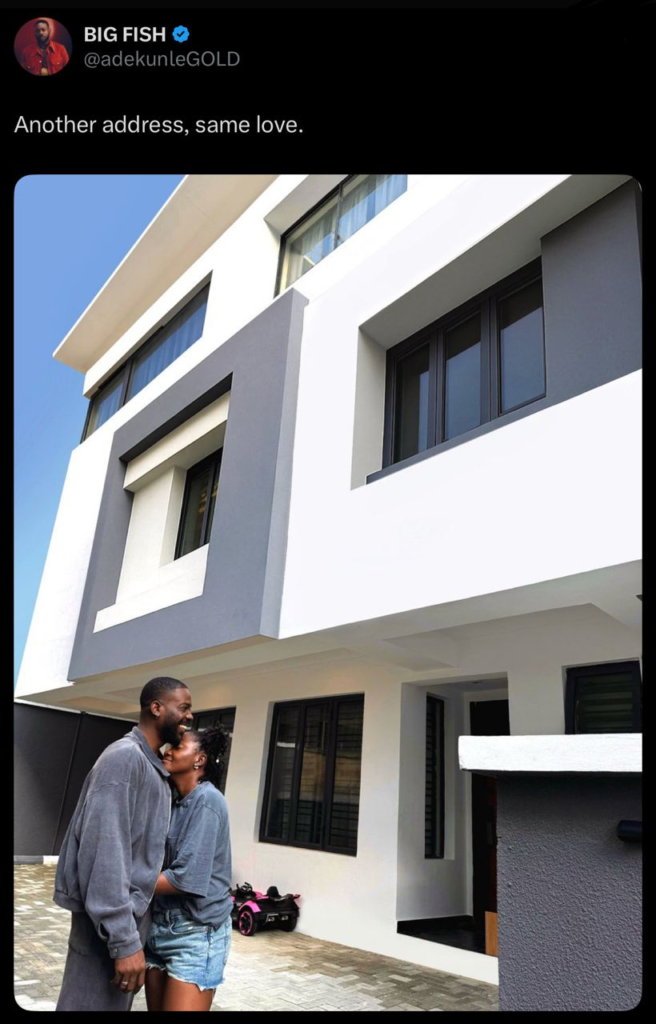
You’re imprinting. Even personal milestones, like announcing a new home with Simi, didn’t feel like a flex. It felt like continuity. Nigerians don’t resent joy when it feels earned. They join it.

Then football Twitter clocked in. Manchester United sending him a jersey wasn’t random. It was cultural alignment. Another passionate community unlocked without him trying too hard. That theme kept repeating itself all year. Effortless dominance.
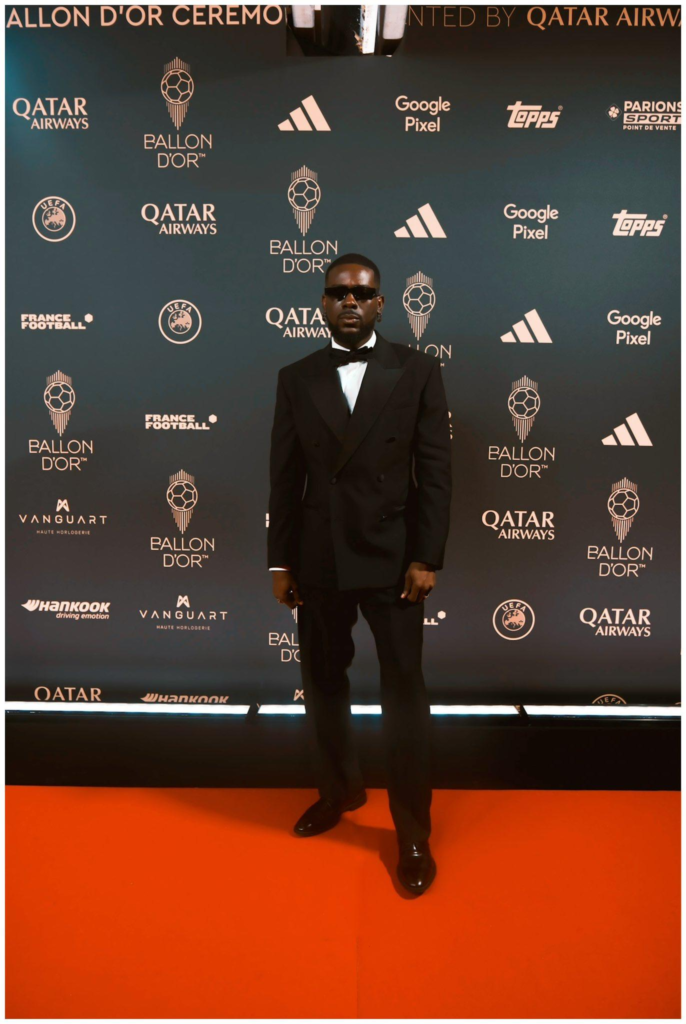
September arrived with ‘no brakes, just gas,’ and it wasn’t a slogan. It was a schedule. Bobo leaned into a younger, streetwise confidence. The Gumball 3000 drive, the Ballon d’Or appearance, all positioned him comfortably in global rooms without sanding off his Nigerian edges. He wasn’t performing global. He belonged there.
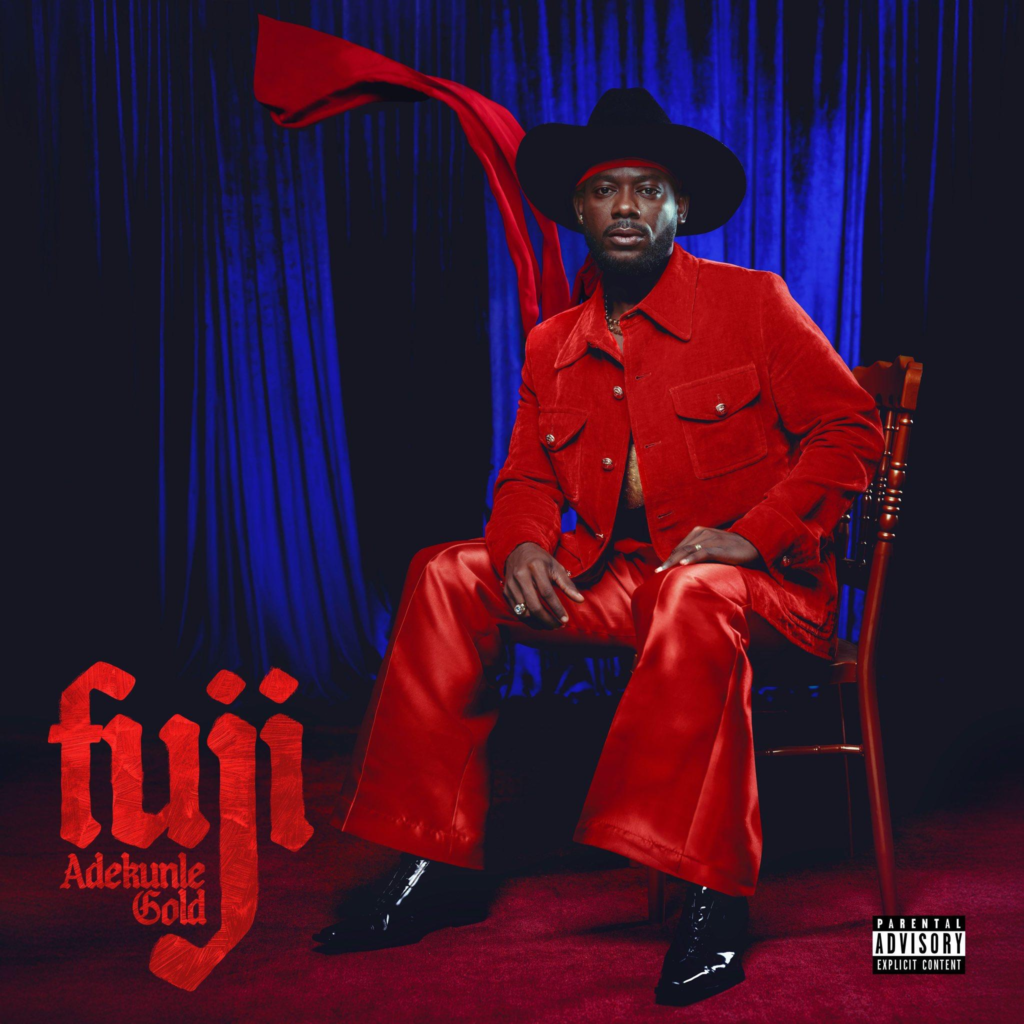
Believe felt like a pause. A breath. Sampling “Just the Two of Us” while reworking Fuji culture was risky, but sincerity carried it. Calling it the most beautiful song he’s ever made wasn’t marketing fluff. It was accurate. The album cover reveal sealed it. Power red. Owanbe chair. Sikiru Barrister references. This wasn’t nostalgia. It was authorship.
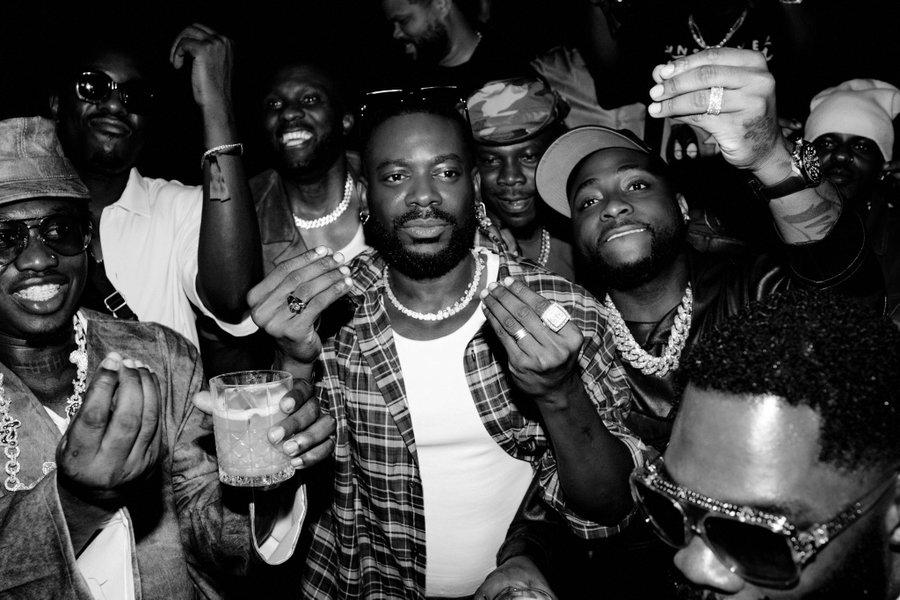
Keeping the album features hidden until release was another smart move. The conversation stayed focused on meaning, not names. And when Fuji finally dropped, it didn’t just trend. It dominated. From Mavo to Davido to Robert Glasper, the features expanded the album’s reach without diluting its core identity.
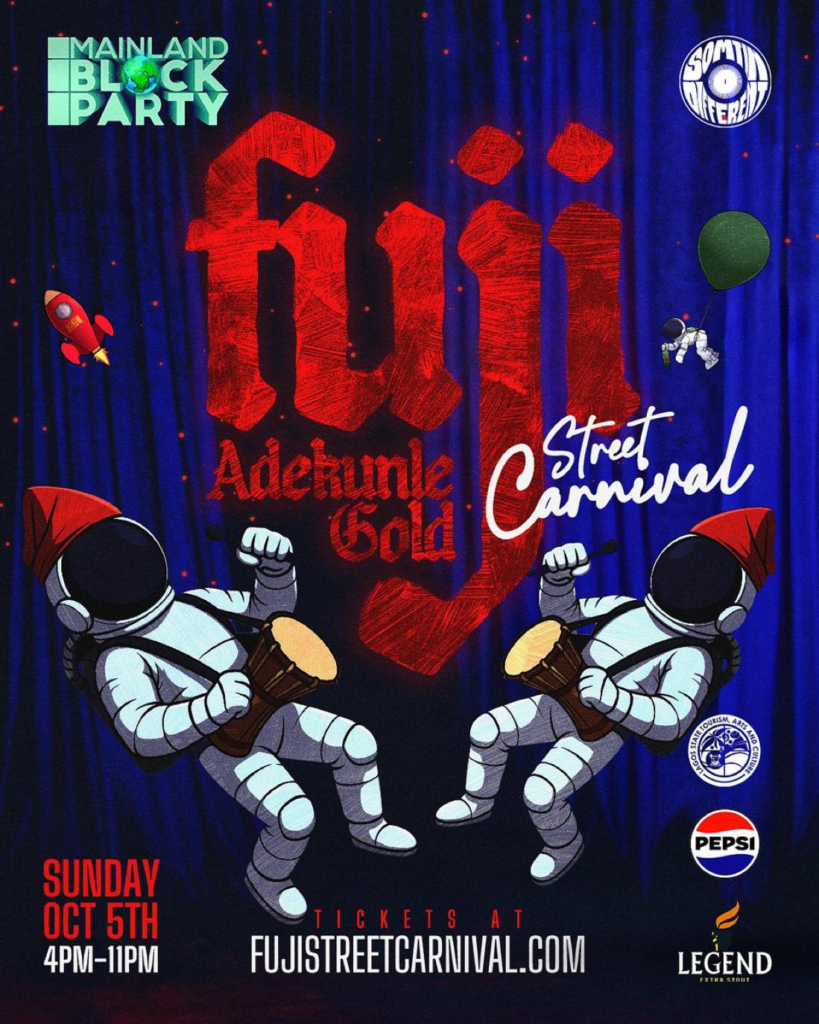
What followed felt like controlled chaos. Spotify Fire & Ice. Prostrating to Yinka Ayefele. The Big Brother Naija finale. The Fuji street carnival that shut down Broad Street. Cultural theatre layered onto grassroots respect. Giving out merch. Inviting Fuji legends. Collaborating with the Mainland Block Party. This wasn’t spectacle for spectacle’s sake. It was memory-making.

Even the quieter moments counted. The newsletters never stopped. The Big Fish Family stayed fed. Featuring Mensan and Imisi wasn’t fan service. It was an acknowledgment. And when Dr Adewale Ayuba trended after his feature, it showed the ripple effect of respect across generations.
Internationally, the London Jazz Festival performance sealed it. An orchestra. Clean reviews. Zero backlash. Then Deja walked on stage to introduce him. That single moment did more emotional PR than a million sponsored posts ever could.

The Christmas Eve video for My Love Is the Same was the soft landing. Dedicated to his daughter. Simi’s pregnancy reveal. A quiet echo of Duduke without repeating it. Nigerians love continuity when it’s honest. He understands that instinctively.

Then came the National Theatre. Selling out the newly renovated Wole Soyinka Centre. Introduced by Olamide. A former label boss. A cultural icon. A full-circle moment that felt earned, not staged. For a Lagosian to be the first artist to successfully headline that space is history, whether anyone wants to argue semantics or not.
From a PR and marketing standpoint, 2025 wasn’t about loudness. It was about cohesion. Persona shifts that made sense. Timing that respected audience intelligence. Partnerships that aligned with values. Community management that treated fans like collaborators, not consumers.

As someone who has studied Adekunle Gold academically, written about him in a book, interviewed him as a journalist, and now works with him professionally, I can say this plainly. This year wasn’t luck. It was a long game paying dividends.
Some careers are loud. His has always been precise, and in 2025, precision won.
Adekunle Gold didn’t just dominate the year. He quietly redefined what dominance looks like when it’s rooted in culture, consistency, and care.
Man of the Year almost feels like underestimating it.
written by ADEYEMI DAVID