
For a long time, Nigerian music has been synonymous with Afrobeats. The genre has shaped global perceptions of African sound and dominated charts across continents. However, in recent years, another sound has been steadily emerging from the underground: house music. Once considered niche, Nigerian house music is now carving out its identity and gaining attention both locally and internationally.
This shift is more than a trend. It reflects the evolution of taste among Nigerian youth, the influence of global music, and a growing desire for experimentation beyond the familiar rhythms of Afrobeats.
What is House Music?

House music is a genre of electronic dance music (EDM) that originated in Chicago in the early 1980s. It’s known for its four-on-the-floor beats, repetitive rhythms, and synthetic melodies. Over time, it has evolved into multiple subgenres, including deep house, Afro-house, and progressive house.
In Nigeria, house music takes on a new life. It merges traditional African sounds, Yoruba percussion, and streetwise lyricism with the global essence of electronic production. The result is a sound that’s distinctly Nigerian but globally relevant.
The Nigerian Twist
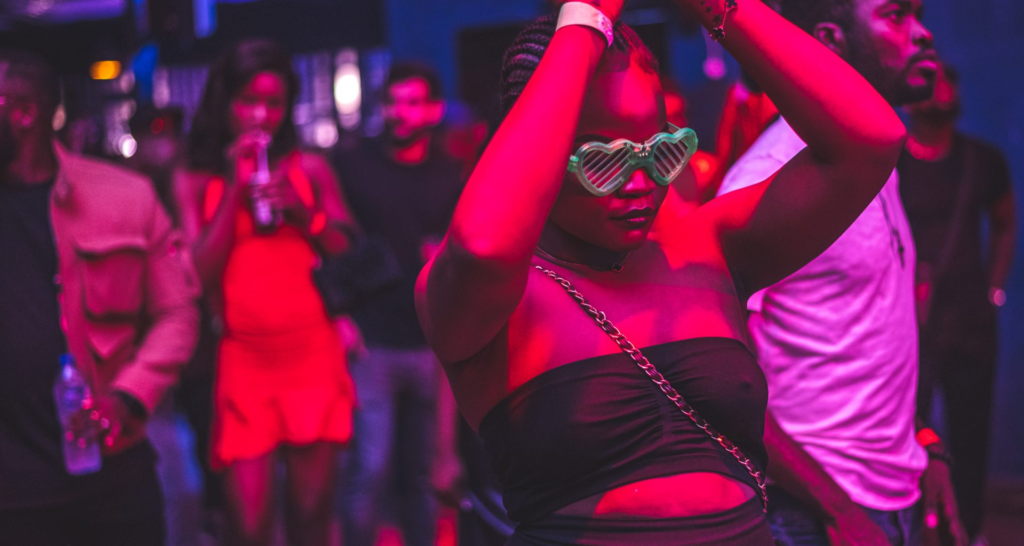
The local adaptation of house music is rooted in creativity and cultural expression. Nigerian producers and artists are not simply imitating South African or Western house music; they are reshaping it.
Nigerian house music often includes:
- Traditional percussion instruments like the talking drum
- Lyrics in Pidgin, Yoruba, or Igbo
- Elements from Afrobeats, Amapiano, and Alté
- Influences from both spiritual and street cultures
The sound is layered, emotionally charged, and deeply rhythmic. It’s music for movement, but also for reflection.
The Artists Behind the Movement
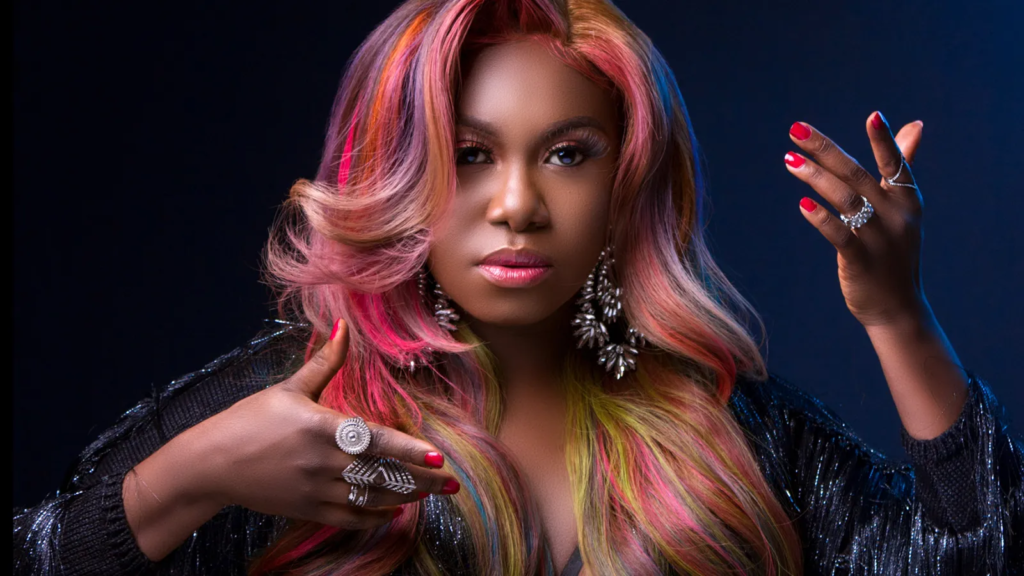
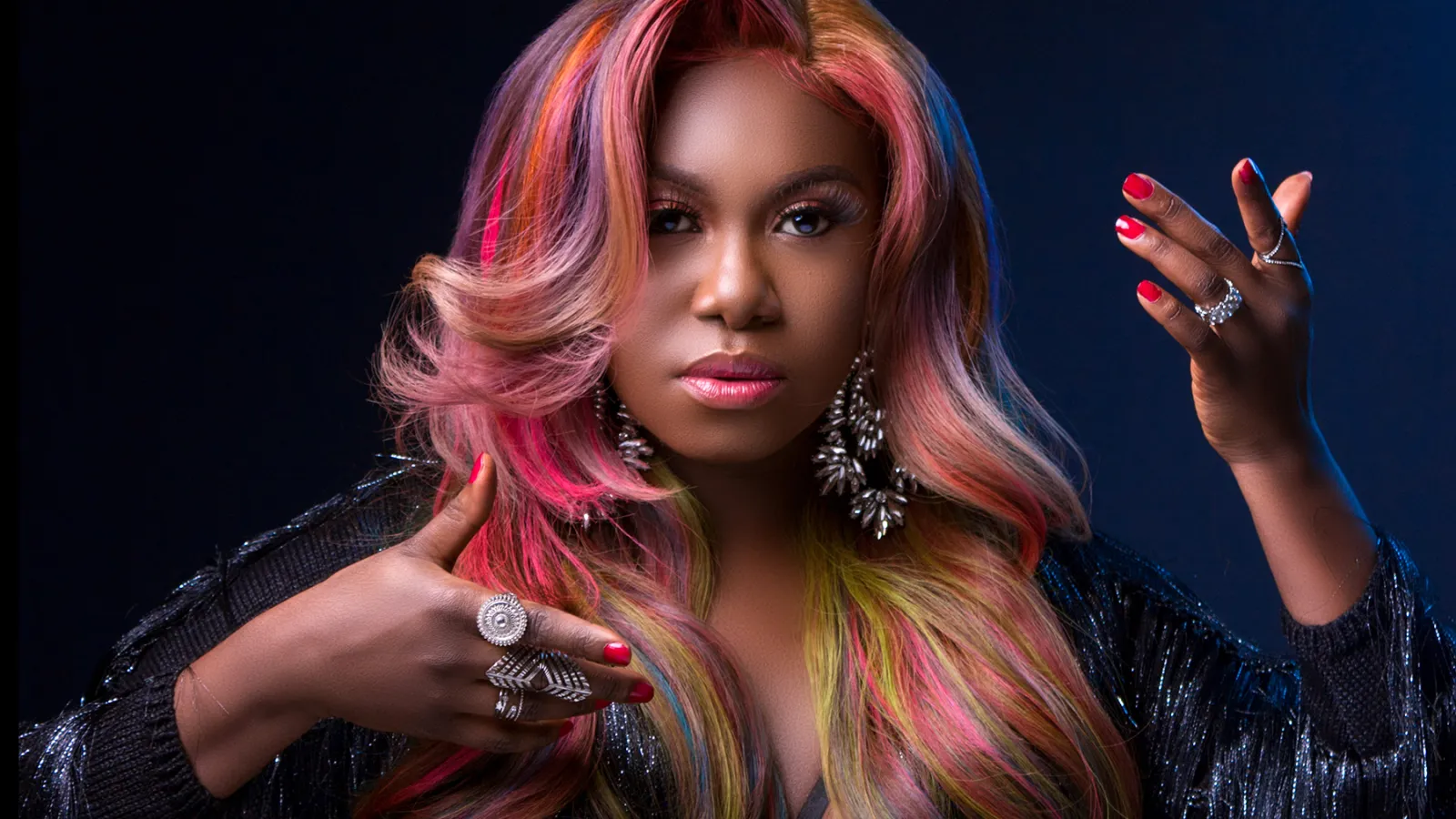
Several Nigerian artists, DJs, and producers are leading the charge in redefining what house music sounds like in this part of the world. Notable names include Sarz, Niniola, Sensei Lo, etc.
In the background, producers like Gogowé and Afrobuddha are building experimental soundscapes that connect global house music to Nigeria’s sonic roots.
South African Influence and the Amapiano Factor
South Africa’s house music scene, particularly genres like deep house and Amapiano, has played a significant role in influencing Nigerian house music. Amapiano, with its log drums and jazzy tempo, has found a home in Nigeria and is often fused with local lyrical content and faster beats.
Rather than imitate, Nigerian artists adapt. The fusion creates subgenres like Afropiano and Naija house, giving the scene its signature voice.
The Role of Gen Z and Social Media
A significant portion of the rise in Nigerian house music can be attributed to young listeners. Gen Z Nigerians are more globally connected than ever. They discover music on TikTok, curate playlists on Spotify, and follow underground movements on Instagram and Twitter.
This new audience is curious, experimental, and eager for something different. House music offers a sound that’s emotionally immersive, sonically rich, and perfect for intimate gatherings or late-night reflection. Platforms like TikTok have accelerated the growth of songs with house elements, helping artists reach wider audiences without traditional gatekeepers.
The Lagos Scene: From Clubs to Rooftops
Lagos is fast becoming a hub for house music culture. While large clubs still favour Afrobeats and mainstream hits, there’s a growing number of niche events where house music takes centre stage.
Pop-ups, rooftop raves, and curated events are bringing together like-minded people who enjoy deep, progressive, and Afro-house music. These events aren’t just parties; they’re cultural moments that give visibility to a new sound and a new kind of artist.
Not Just a Trend
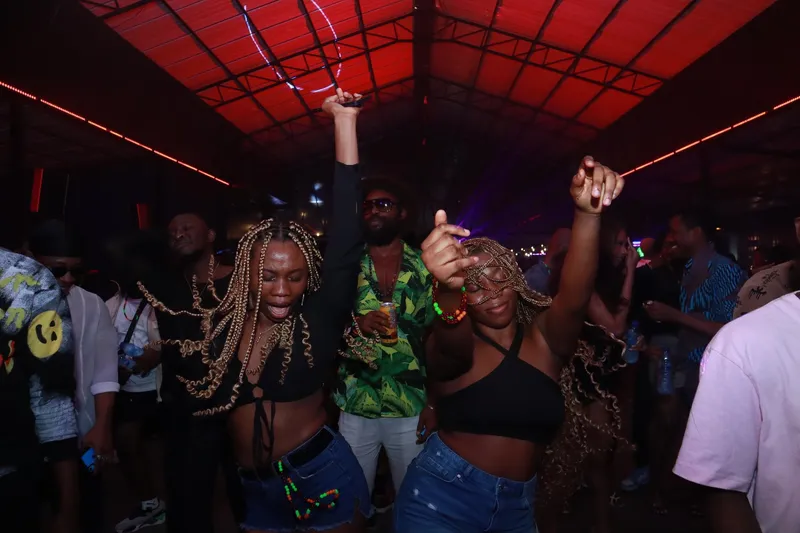
While house music still occupies a small slice of the Nigerian music scene, it’s clear that it’s not just a passing phase. It’s becoming a vital outlet for creative expression, emotional release, and cultural experimentation.
In a country where economic and social pressures weigh heavily, house music offers a form of escape. It allows listeners to disconnect from the chaos and reconnect with rhythm, space, and emotion.
Looking Ahead
The future of Nigerian house music is bright. Here are a few possibilities:
- Increased collaborations between Afrobeats stars and house producers
- Record labels developing niche rosters for electronic music
- More recognition through award categories, festivals, and international features
- Expansion into film, fashion, and tech, where house music can provide soundtracks and brand identity
The rise of the Nigerian house music scene signals a broader cultural shift. Nigerian artists are no longer content with dominating just one genre. They are branching out, taking risks, and building new communities around sound.
This movement may have started quietly, but it’s growing louder. It’s shaping new narratives about what Nigerian music can be and where it can go next.
House music has found a home in Nigeria. And it’s here to stay.