

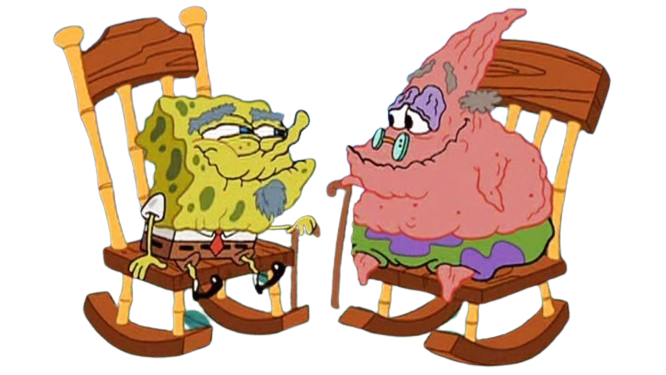
Social media seems to be pushing this narrative about Gen-z’s looking younger than Millennials… but is there any truth about this?
This post was inspired by a tweet I saw on X(formally called Twitter), where a Gen-Z Nigerian shared his experience about getting to a place and been asked about his children.
His experience cracked me up, but it also made me realise how a number of Gen-Z’s I know look a lot older than their age.
Why are we 24 and looking like fathers of three?
So walk with me as we try to uncover why Gen Z seems to be aging like milk rather than fine wine (millennials).
1. SKINCARE

This is where VeryDarkMan comes in; our national treasure that is focused on nabbing people that sell and produce skin skincare products.
Our generation is exposed to lots of information from social media, which is often half-filled. Consequently, using excessive products, many of which may be unnecessary, can lead to skin issues and premature aging.
2. Smoking

Vaping and smoking not only affect your lungs but also take a toll on your skin. Unlike sun damage that can be reversed to some extent, the effects of nicotine and smoke are more permanent and can’t be easily undone with skincare products.
Poor lifestyle doesn’t just affect your health; it shows on your face too. It can lead to wrinkles, hair loss, and pigmentation issues, making you look older than you really are. So, it’s important to take care of yourself inside and out.
3. Processed foods

Gen Z’s love for food, especially the processed and not-so-healthy kind, is causing quite a stir. They seem to be munching on more outside food compared to millennials.
Technology has made it super easy to get these junk foods delivered right to your doorstep. It’s no wonder that people, especially Gen Z, are tempted to indulge in more junk and processed food.
Meanwhile, millennials are still enjoying the perks of a simpler childhood filled with delicious home-cooked meals.
4. Excess stress:
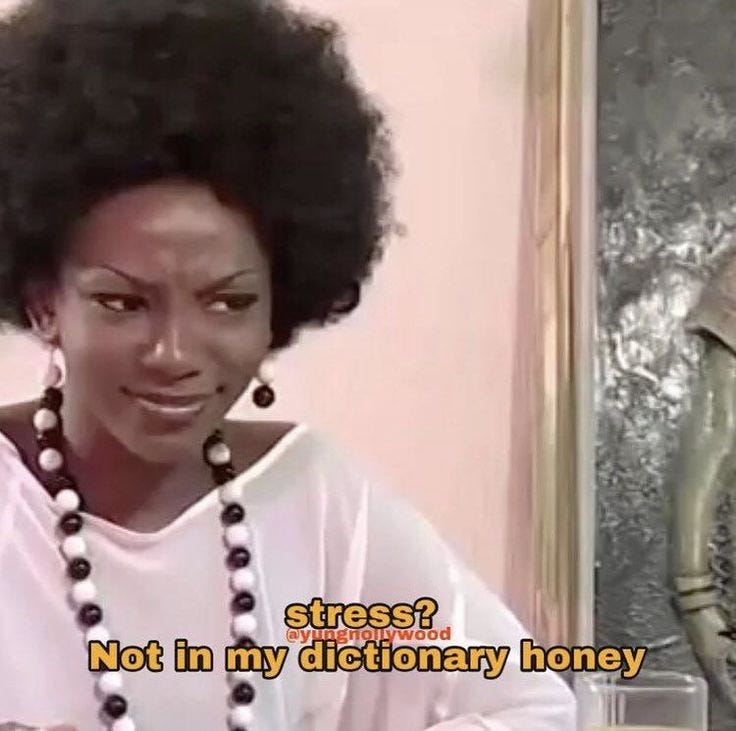
“definitely be one of the major contributing factors for early ageing and physical ailments.”
Gen Z has had its fair share of challenges, always feeling like they’re carrying the weight of the world. While every generation faces its struggles, Gen Z has been dealt a tough hand.
We might not have lived through 9/11, but we’ve felt the ripple effects, from ongoing wars to the fear of terrorism, and COVID-19.
A whopping 91% of Gen Z adults in a 2018 poll reported experiencing physical or emotional stress symptoms.
Stress doesn’t just take a toll on your mind; it affects your skin too. Stress hormones like cortisol, produced by activated skin mast cells, can inhibit collagen production, leading to aging skin. Add in inflammation from stress, and you’ve got a recipe for skin damage.
5 GADGET ADDICTION
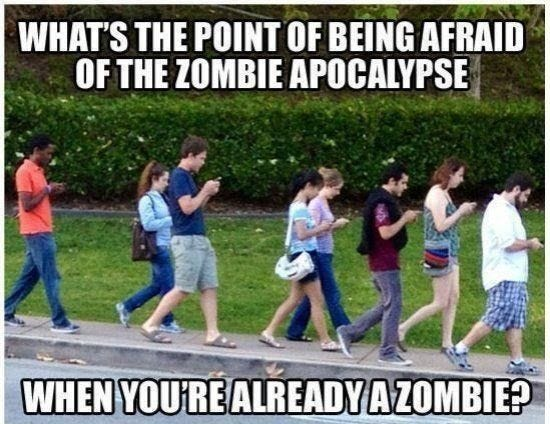
While more studies are needed, there’s this idea that being addicted to your phone is a bit like being hooked on substances.
Both can lead to issues like depression, anxiety, and even musculoskeletal problems. Plus, they can speed up aging.
According to studies, the blue light from screens might make skin age faster, making you look older than you are.
Despite the factors that contribute to the aging process in Millennials and Gen Z, it’s important to remember that aging is a natural part of life.
While Millennials may appear to age more gracefully due to lifestyle choices and environmental factors, both generations should focus on maintaining a healthy lifestyle to support their overall well-being as they age.
By understanding these factors, individuals can make informed choices to help them look and feel their best at any age.
Don’t forget to leave a comment if you found this article interesting.